Crate training is a valuable method for teaching your dog boundaries, providing a safe space, and supporting house training. Here’s how to get started.
Disclosure: This post contains affiliate links. As an Amazon Associate, I earn from qualifying purchases at no extra cost to you.
As pets grow older, their needs change. Senior cats and dogs require special attention to ensure they stay healthy, comfortable, and happy in their golden years. To begin with, choose the right crate. Select a crate that’s large enough for your dog to stand, turn around, and lie down comfortably. Avoid crates that are too big, as they can defeat the purpose of training.


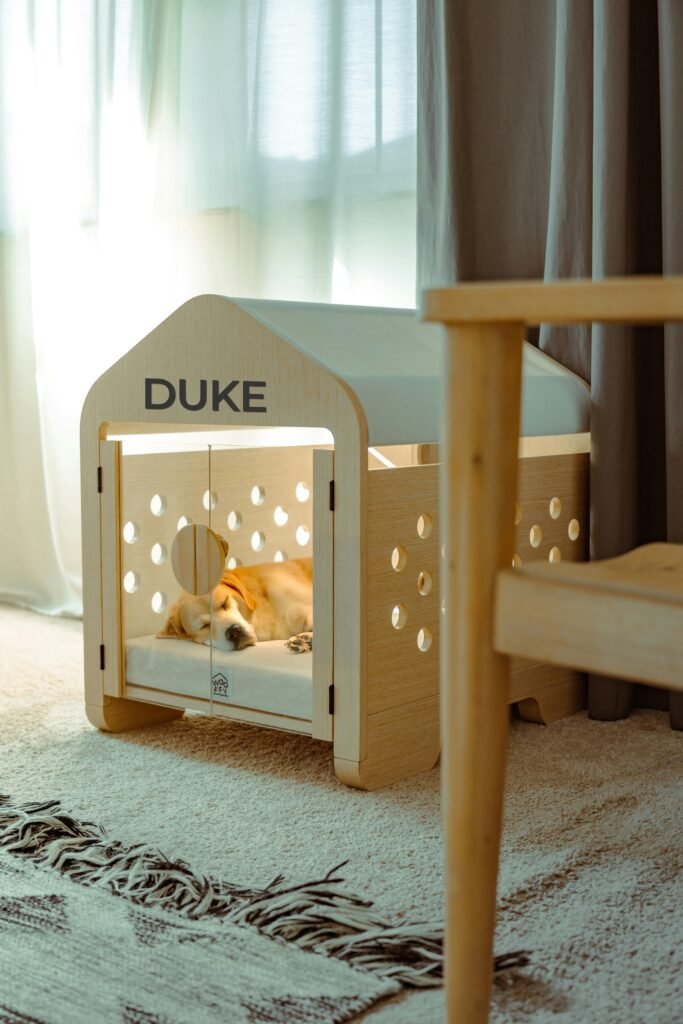
Once you have the crate, make it inviting. Add a soft blanket and a favorite toy to help your dog feel comfortable. Place the crate in a quiet, low-traffic area of your home.
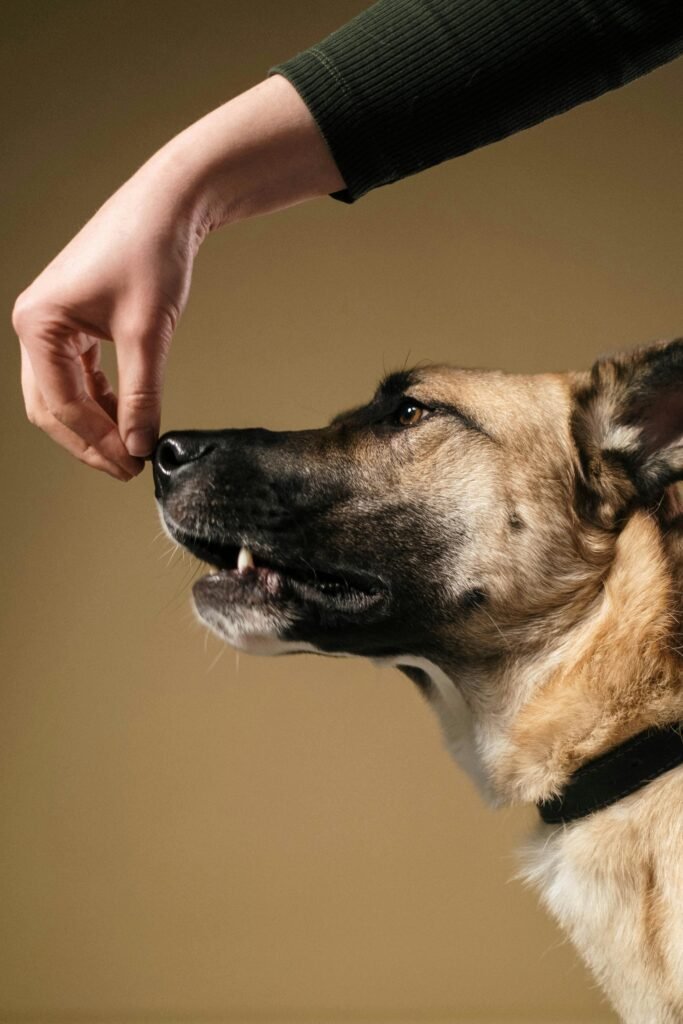
After setting it up, introduce the crate gradually. Encourage your dog to explore the crate with treats and praise. Leave the door open initially and let them enter at their own pace.

- Beef rawhide‑Free, Highly Digestible Dog Chews — Safe, gentle chew treats made without beef rawhide for easier digestion…
- Real, High‑Protein Poultry & Veg Ingredients — Made with 100% real chicken breast, duck breast, carrot, and sweet potato…
- Rich, Slow‑Baked Meaty Flavor Dogs Love — Layered, savory taste keeps dogs excited from the first sniff to the last sati…
Next, start with short periods. Once your dog is comfortable, close the door for a few minutes at a time. Gradually increase the duration, always rewarding calm behavior.
Crucially, never use the crate for punishment. The crate should be a positive, safe space—not a place for discipline. This helps your dog associate the crate with comfort and security.
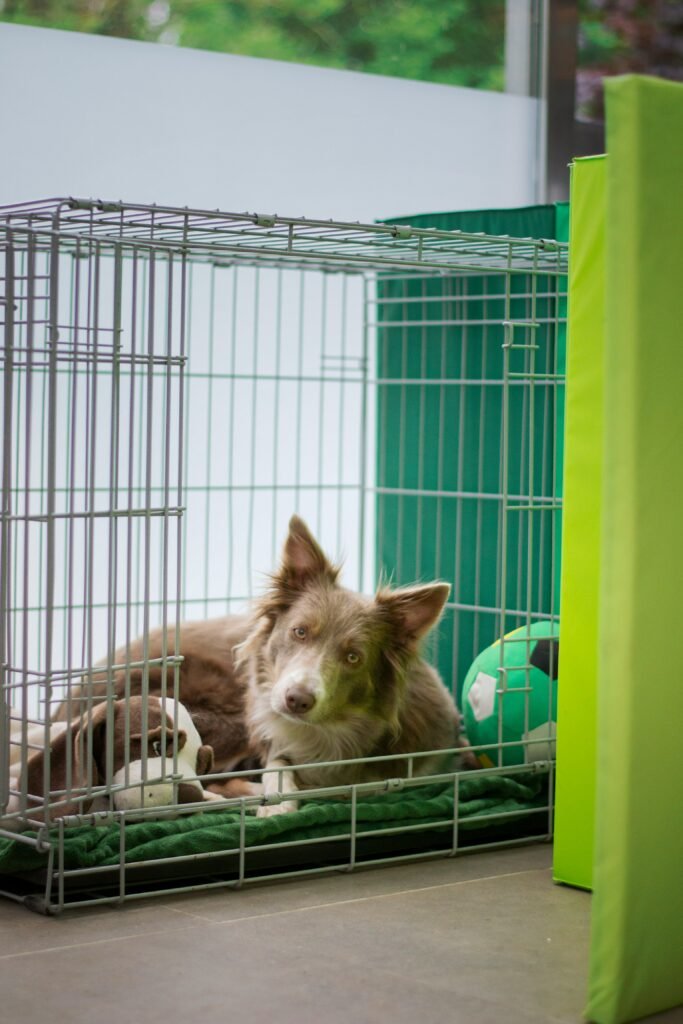
Finally, maintain a routine. Use the crate for naps, bedtime, and when you’re away for short periods. Consistency is key to successful crate training. With patience and positive reinforcement, your dog will learn to love their crate.